
 Keith MT
Horticulture, the art and science of cultivating plants, is an engaging and beneficial activity, whether you’re interested in growing your own food, beautifying your surroundings, or contributing to environmental sustainability.
Namibia, with its unique climate and diverse landscapes, presents both challenges and opportunities for aspiring horticulturists. This article offers beginners a comprehensive guide to starting a successful horticultural venture.
Understanding your Climate and Soil.
The first step in successful horticulture is understanding the local environmental conditions. Namibia’s climate and soil significantly impact the types of plants you can grow and the methods you should use.
Climate Zones
Namibia is characterized by its arid to semi-arid climate, with some regions experiencing more extreme conditions than others. Key climate zones include:
Namib Desert: Extremely arid with very little rainfall, harsh temperatures, and frequent fog.
Coastal Areas: Cool, humid conditions due to the Benguela Current, with occasional fog.
Central Plateau: Semi-arid, with hot summers and cooler winters, and more rainfall than coastal areas.
Kavango and Zambezi Regions: Subtropical climate with higher rainfall, especially during the summer months.
Understanding your specific climate zone will guide you in selecting appropriate plants and planning your gardening activities.
Soil Types in Namibia
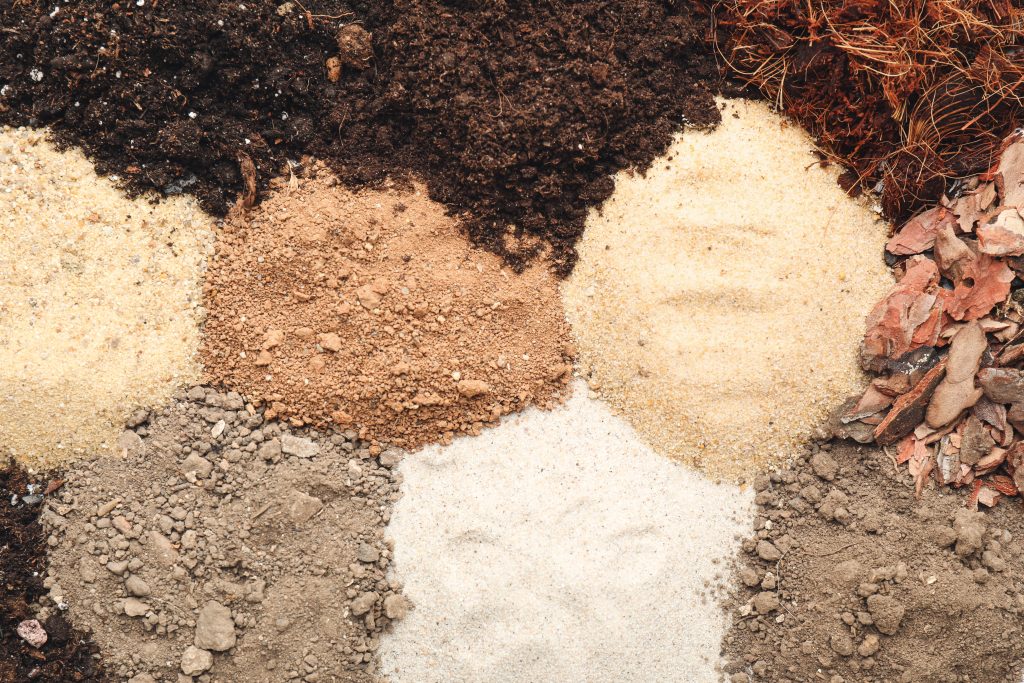
Namibia’s soils are generally sandy and nutrient-poor, especially in the desert and coastal regions. However, there are pockets of more fertile soils in certain areas.
Key soil types include:
Sandy Soils: Predominant in most parts of Namibia, especially in desert regions. These soils drain quickly but often lack nutrients.
Clay Soils: Found in some central regions, these soils
retain water extremely well but can become quite compacted.
Loamy Soils: More fertile but found in limited areas, such as parts of the Kavango and Zambezi regions.
Testing your soil’s pH and nutrient levels is essential for understanding its suitability for different plants and determining any necessary amendments.
Choosing the Right Plants
Selecting plants that are well-suited to Namibia’s climate and soil is crucial for beginners. Opt for species that are drought-tolerant and can thrive in your specific region.
Vegetables and Herbs
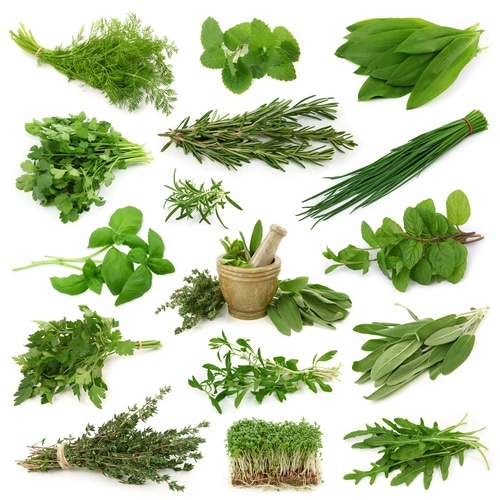
Growing vegetables and herbs can be particularly rewarding, especially with the right selections, e.g.:
Spinach: A versatile leafy green that can handle Namibia’s cooler winter months.
Tomatoes: Best grown in areas with good sunlight and reliable access to water. Consider shade netting in hotter regions to protect against the sun.
Onions: A hardy vegetable that grows well in many parts of Namibia during the cooler months.
Basil: Thrives in warmer weather.
Mint: Grows well in cooler, shaded areas and can be used in teas and cooking.
Fruits
Fruit cultivation in Namibia can be challenging due to the arid conditions, but there are several fruit trees and shrubs that are well-adapted to the environment:
Citrus Trees: Oranges, lemons, and limes can be grown in regions with moderate water availability.
Pomegranates: Highly drought-tolerant and well-suited to Namibia’s climates.
Dates: Date palms thrive in the arid conditions of northern Namibia and the desert areas.
Mangoes: Can be grown in the warmer, wetter regions of Namibia, such as the Kavango and Zambezi regions.
Ornamental Plants
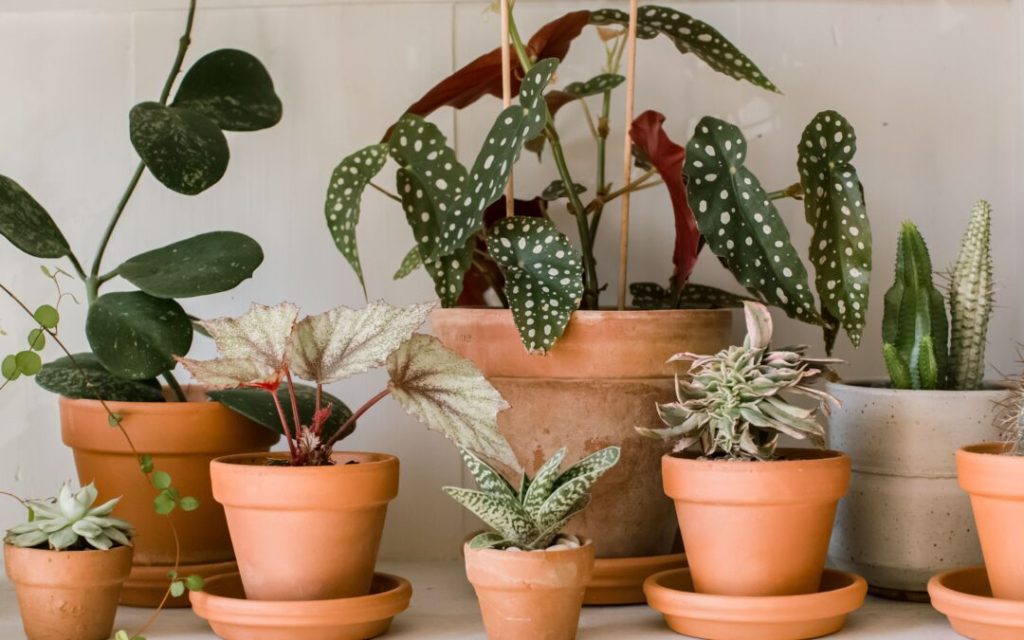
For those interested in beautifying their surroundings, consider these drought-resistant ornamental plants:
Aloe Vera: Native to Namibia and extremely drought-tolerant, Aloe Vera is both ornamental and useful.
Bougainvillea: A vibrant, drought-tolerant plant that is ideal for adding color to your garden.
Indigenous Succulents: Namibia is home to many succulents, such as Hoodia and Lithops, which are perfect for water-wise gardens.
Lavender: Although not native, lavender is hardy and can thrive in well-drained soils with minimal water.
Basic Horticultural Practices
Once you’ve chosen your plants, the next step is to apply basic horticultural practices suited to Namibia’s unique conditions.
Watering: Water is a precious resource in Namibia, so efficient watering practices are essential:
Drip Irrigation: Consider installing a drip irrigation system to deliver water directly to the plant roots, minimizing waste.
Water Early or Late: Watering during the cooler parts of the day vastly reduces evaporation.
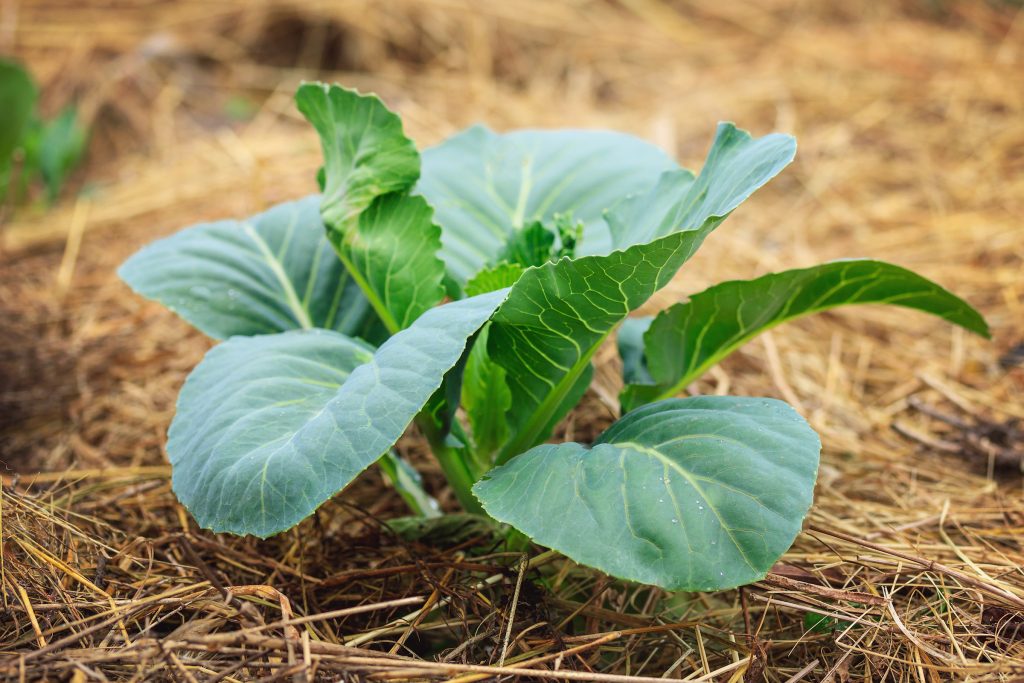
Mulching: Use organic or inorganic mulch to retain soil moisture, suppress weeds, and reduce the need for frequent watering.
Soil Preparation and Fertilization: Given Namibia’s generally poor soils, preparation is key to successful horticulture.
Composting: Adding compost improves soil structure, fertility, and water retention.
Soil Amendments: Depending on your soil type, you may need to add gypsum to improve clay soils or organic matter to enrich sandy soils.
Fertilizing: Use slow-release fertilizers to provide a steady supply of nutrients, especially during the growing season.
Planting Techniques
Proper planting techniques help ensure your plants establish well and grow vigorously.
Spacing: Provide sufficient space between plants to reduce competition for water and nutrients.
Planting Depth: Plant seeds or seedlings at the recommended depth for each species.
Companion Planting: Use companion planting to enhance growth and reduce pest issues, such as planting marigolds alongside vegetables to deter insects.
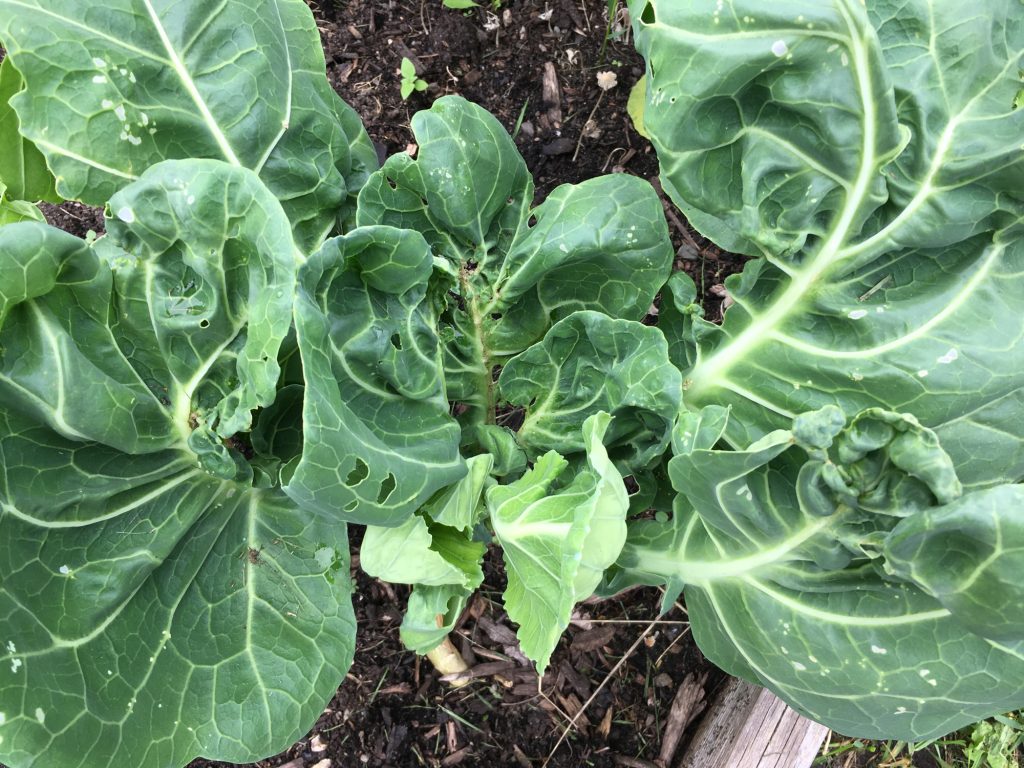
Pest and Disease Management
Managing pests and diseases is vital for maintaining a healthy garden.
Natural Remedies: Use natural pest control methods, such as neem oil, to minimize chemical use.
Crop Rotation: Rotate crops annually to prevent the buildup of soil-borne pests and diseases.
Regular Monitoring: Inspect your plants regularly for signs of pests or disease and address issues promptly.
Seasonal Gardening
Namibia’s climate allows for year-round gardening, but understanding the seasons will help you optimize your efforts.
Summer (October – April): This is the main growing season, especially for warm-season crops. Focus on water management and pest control during this period.
Winter (May – September): A good time to grow hardy vegetables like spinach, onions, and garlic. Protect frost-sensitive plants in cooler regions.
Tips for Beginners
Start Small: Begin with a small garden or container plants to avoid becoming overwhelmed.
Water Wisely: Always prioritize water conservation in your gardening practices.
Learn Continuously: Engage with local gardening groups, online forums, or workshops to expand your knowledge.
Be Patient and Persistent: Gardening in Namibia can be challenging, but with persistence and the right techniques, you’ll see rewarding results.
Conclusion
By understanding your local climate and soil, choosing suitable plants, and applying water-wise gardening practices, you can create a thriving garden that reflects Namibia’s unique landscape.
Whether you’re growing vegetables, cultivating fruit trees, or planting ornamental plants, the key is to start small, learn as you go, and enjoy the process of watching your garden grow.



Add comment