
 Keith MT
Revolutionizing Agriculture for the Future
As global populations continue to grow and urbanization accelerates, traditional farming methods are being challenged by limited land availability and environmental concerns. Vertical and indoor farming have emerged as innovative solutions to these challenges, offering sustainable ways to produce food in urban environments, reduce resource use, and ensure food security.
This article explores the concepts, benefits, and challenges of vertical and indoor farming, along with insights into their potential to revolutionize agriculture.
What is Vertical and Indoor Farming?
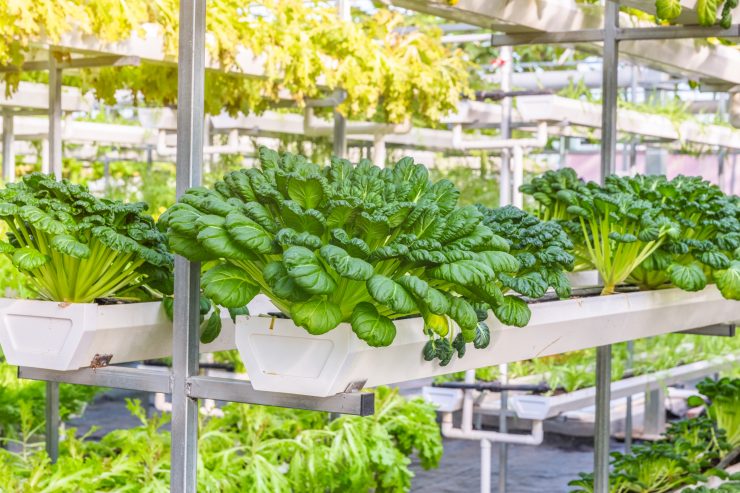
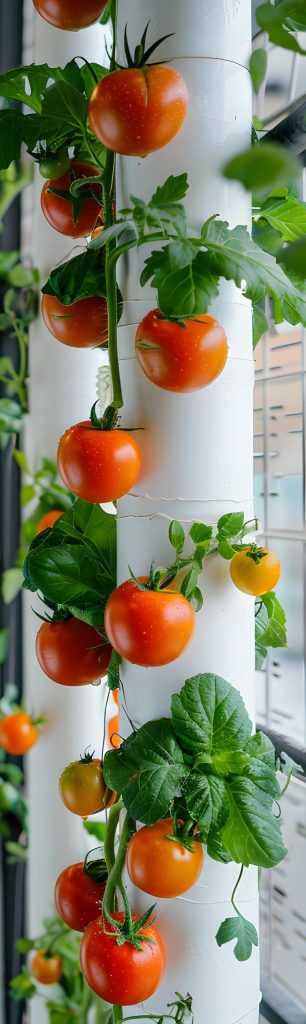
Vertical farming involves growing crops in stacked layers, often in controlled indoor environments, utilizing artificial lighting and advanced technologies. This method maximizes space efficiency, allowing for high-density crop production in urban areas or regions with limited arable land.
Indoor farming refers to the cultivation of plants within enclosed structures, such as greenhouses, warehouses, or specially designed buildings. It can include vertical farming as well as other methods like hydroponics, aquaponics, and aeroponics.
Indoor farming allows for precise control over environmental factors, such as temperature, humidity, and light, enabling year-round crop production.
Benefits of Vertical and Indoor Farming
The shift to vertical and indoor farming presents numerous benefits, particularly in addressing the challenges faced by modern agriculture:
Efficient Land Use
One of the most significant advantages of vertical farming is its ability to produce large quantities of food on a small footprint. By stacking crops vertically, it is possible to grow more food per square meter compared to traditional farming methods. This is especially valuable in urban areas where land is scarce and expensive.
Year-Round Production
Indoor farming systems are not dependent on seasonal changes or weather conditions. With controlled environments, crops can be grown year-round, providing a consistent and reliable supply of fresh produce regardless of the external climate.
Water Conservation
Vertical and indoor farming methods often use hydroponics, aeroponics, or aquaponics, which require significantly less water than conventional soil-based farming. Water is recirculated within these systems, reducing overall water consumption by up to 90%. This is particularly important in regions facing water scarcity.
Reduced Pesticide Use
Controlled environments in indoor farming minimize the need for pesticides, as pests are less likely to infiltrate these enclosed systems. This leads to healthier crops and a reduction in chemical runoff into the environment.
Proximity to Urban Centers
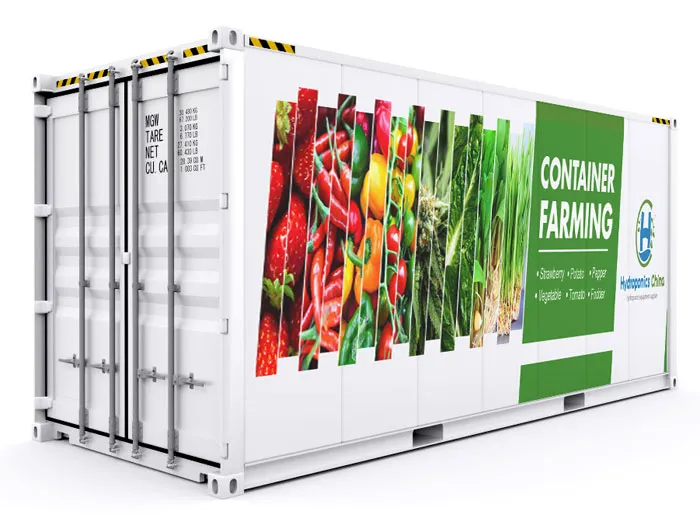
By situating farms closer to urban areas, vertical and indoor farming reduce the need for long-distance transportation of food. This lowers transportation costs and carbon emissions but also ensures fresher produce for consumers.
Sustainability & Reduced Carbon Footprint
These systems are designed to be more sustainable, using renewable energy sources like solar power and LED lighting. The reduced need for land clearing, transportation, and chemical inputs contributes to a lower carbon footprint.
Key Technologies in Vertical & Indoor Farming
Hydroponics
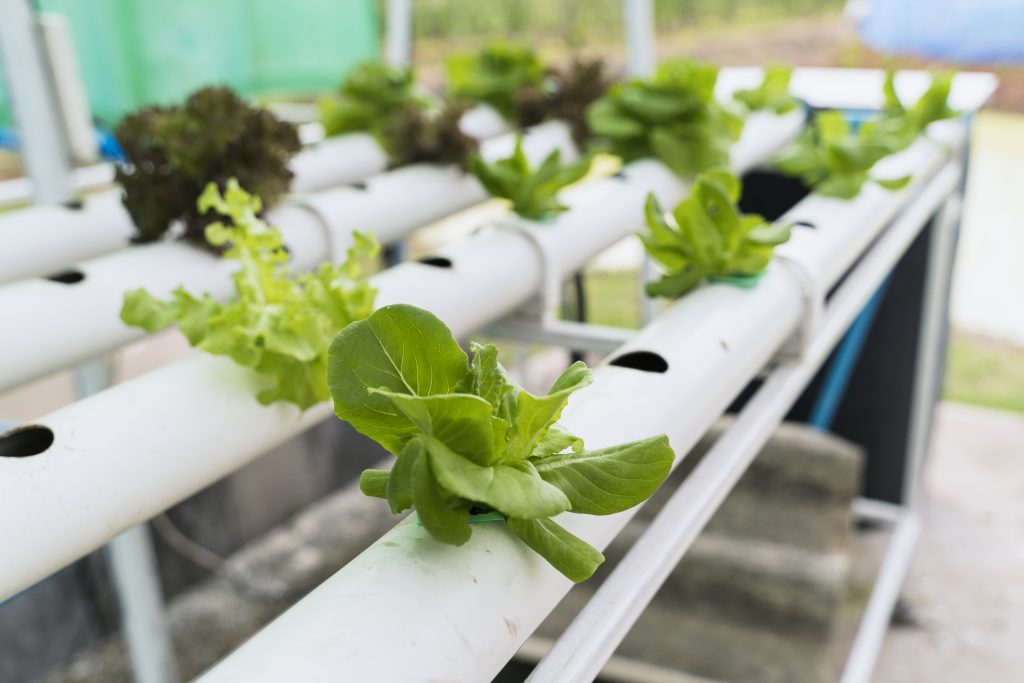
Plants are grown in nutrient-rich water solutions without soil. This method allows for precise control over nutrient levels. Plants are typically grown in trays or channels with roots suspended in the water solution, enabling faster growth and higher yields.
Aquaponics
Aquaponics combines hydroponics with aquaculture, where fish and plants are grown together in a symbiotic environment. Fish waste provides nutrients for the plants, while the plants help filter and clean the water, creating a closed-loop system that is highly efficient and sustainable.
Aeroponics
Aeroponics is a soilless growing method where plant roots are suspended in the air and misted with nutrient-rich water. This technique maximizes oxygen availability to the roots, promoting faster growth and using even less water than hydroponics.
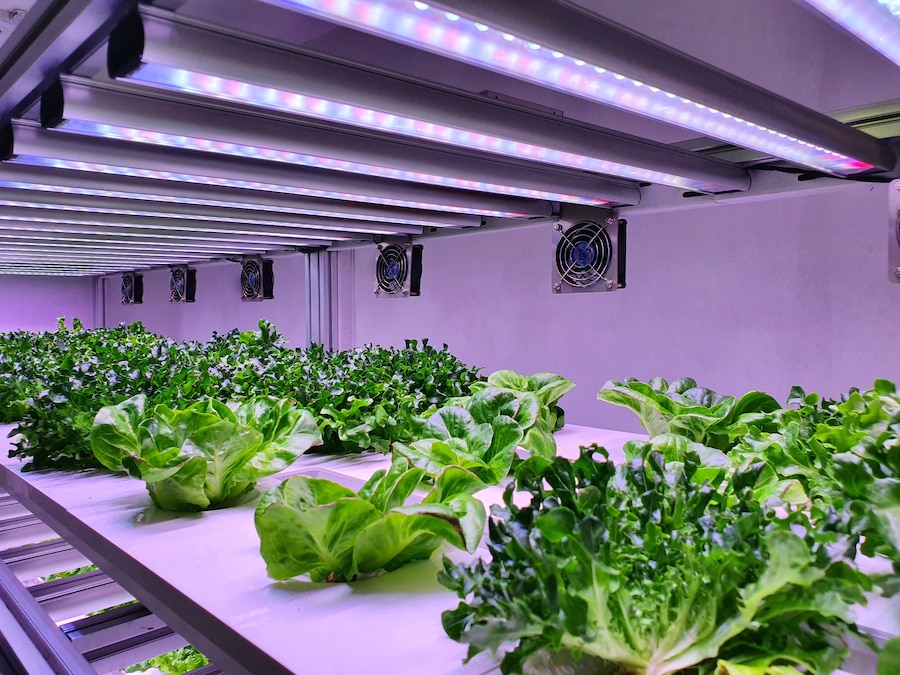
LED Lighting
This is very crucial in indoor farming, providing the specific light spectrum required for photosynthesis. LEDs are energy-efficient, long-lasting, and can be tuned to provide optimal light conditions for different stages of plant growth.
Climate Control Systems
Advanced climate control systems allow indoor farms to maintain ideal growing conditions, including temperature, humidity, and CO2 levels. These systems ensure consistent and optimal conditions for plant growth, regardless of external weather conditions.
Challenges and Considerations
High Initial Costs
Setting up vertical and indoor farming systems can be expensive due to the need for specialized equipment, such as LED lighting, and climate control systems. This can be a barrier for small-scale farmers and startups.
Energy Consumption
Indoor farming relies heavily on artificial lighting and climate control, which usually results in high energy consumption. However, integrating renewable energy sources and improving energy efficiency through advanced technologies can mitigate this challenge.
Technical Expertise
Operating a vertical or indoor farm requires knowledge of advanced technologies and horticultural practices, making training and education essential for successful implementation.
Scalability
While vertical and indoor farming are highly efficient on a small scale, scaling up these operations to meet the demands of large populations presents logistical and financial challenges.
The Future of Vertical and Indoor Farming
Vertical and indoor farming represent the future of agriculture, especially in urban areas where space is limited and environmental concerns are paramount. As technology advances and costs decrease, these methods are likely to become more accessible and widespread.
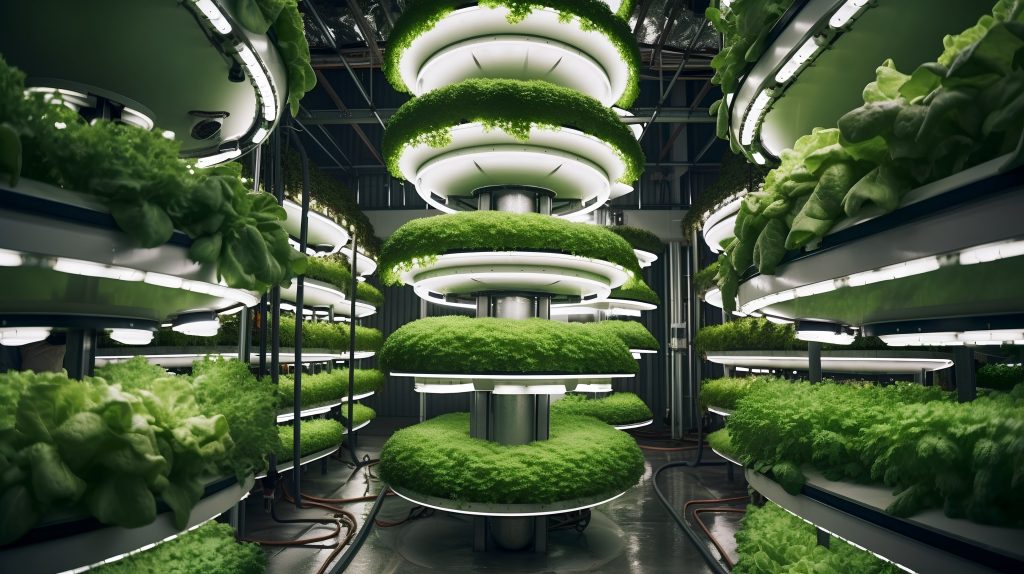
In the coming years, we can expect to see:
Increased Urban Farming Initiatives: Cities will adopt vertical and indoor farming to improve food security, reduce carbon footprints, and provide local, fresh produce to urban populations.
Technological Innovations: Continued advancements in LED lighting, AI, and automation, renewable energy generation efficiency and storage, will further enhance the efficiency and sustainability of indoor farming systems.
Integration with Traditional Agriculture: Vertical and indoor farming will complement traditional farming methods, providing a hybrid approach to meet the food demands of a growing global population.
Conclusion
Vertical and indoor farming are transformative approaches to agriculture that address many of the challenges posed by traditional farming methods. As the world’s population continues to grow, vertical and indoor farming will play a very crucial role in ensuring a sustainable and secure food future.



Add comment